Tankless vs. Traditional Water Heaters in Cape Cod Winters
Many homeowners assume their equipment is failing the moment their morning shower turns cold a few minutes early. At JW Electric, we receive a surge of calls every winter from Cape Cod residents convinced their system is broken. The reality usually comes down to the temperature of the groundwater entering the house rather than a mechanical issue. A proper water heater installation requires understanding how local ground temperatures affect both traditional and tankless units.
Trade professionals know that traditional tanks and tankless systems handle cold inlet water in very different ways. Understanding these mechanical limits helps you make the right call for your household and budget. Knowing what actually happens inside your plumbing when the temperature drops can save you from a premature replacement.
Here is what we cover in this article:
● The groundwater factor: Why hot water runs out faster.
● Traditional tanks: Recovery time explained.
● Tankless systems: The truth about flow rates.
● System support: Checking your electrical capacity.
● Frequently asked questions: Common winter concerns.
The Groundwater Factor
People frequently ask why their hot water is running out faster in the winter. The answer lies in the ground outside your home. During the warmer months, the water entering your house from the municipal supply or a private well is relatively warm. Your heater only has to raise the temperature by a small margin to reach a comfortable level for a shower or bath.
When winter hits Cape Cod, that incoming water gets significantly colder. Your system suddenly has to work much harder to bridge the gap between the icy inlet water and your preferred shower temperature. This steeper temperature climb means you use up your stored hot water faster, and the unit takes longer to catch up.
How Traditional Tanks Handle the Drop
A traditional storage tank holds a set amount of hot water ready for use at all times. When you turn on a tap, cold water pushes into the bottom of the tank as hot water leaves from the top. Because that incoming winter water is so cold, it drops the overall temperature inside the tank much faster than it would in July.
This forces the burner or heating elements to run longer to recover. If you have back to back showers scheduled in the morning, the tank simply might not have the time it needs to bring that freezing inlet water up to a safe and comfortable degree. The trade reality is that your tank is likely not broken. It is just working against a much larger temperature gap.
The Reality of Tankless Water Heater Installation
Homeowners often believe that going tankless means infinite hot water regardless of the outside conditions. The truth is slightly more complicated. A tankless unit heats water on demand as it flows through an internal heat exchanger. When you schedule a water heater installation for a tankless unit, the sizing is based on how many gallons per minute it can heat to your target temperature.
When the incoming water is freezing, the unit has to slow down the flow rate to give the water enough time inside the heat exchanger to reach the set temperature. You will not run out of hot water, but you might notice a drop in water pressure if you try to run a shower and a dishwasher at the same time. Professional plumbers and electricians size these units based on the coldest groundwater temperatures to ensure you get the performance you expect all year long.
System Support and Electrical Capacity
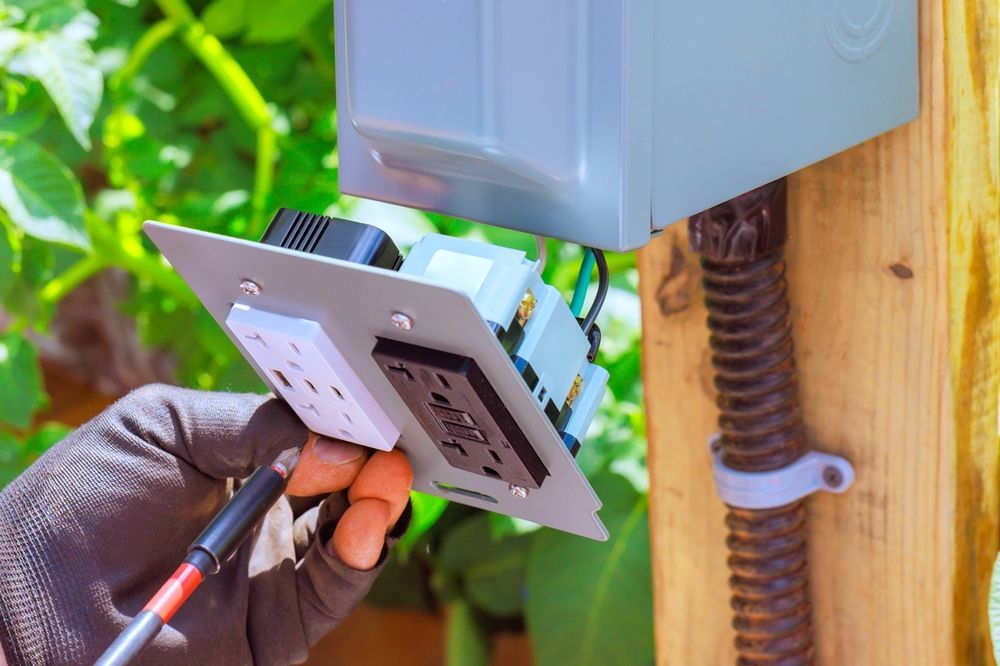
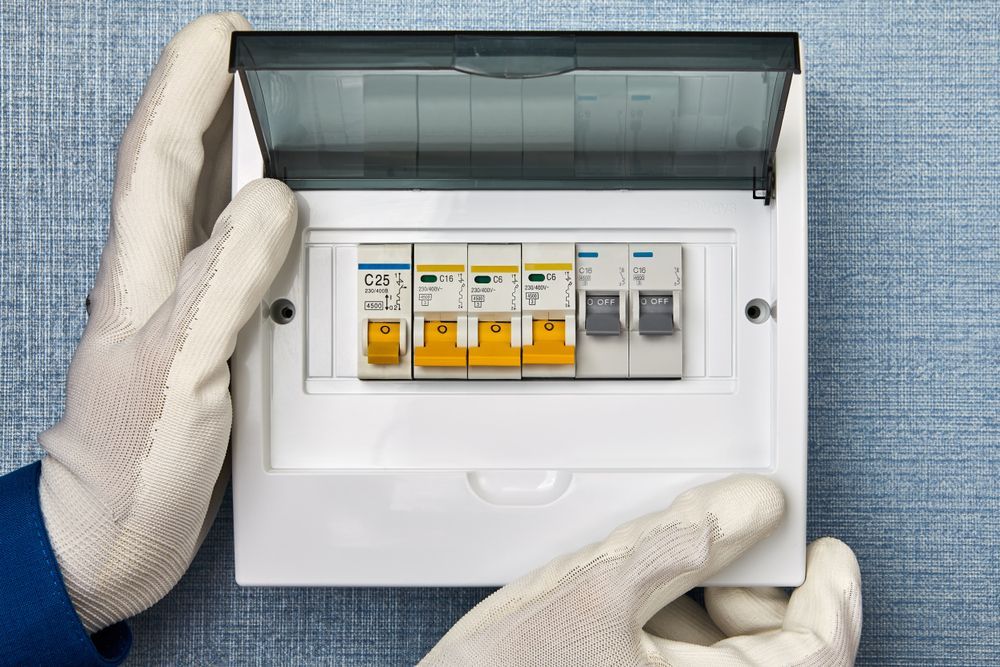
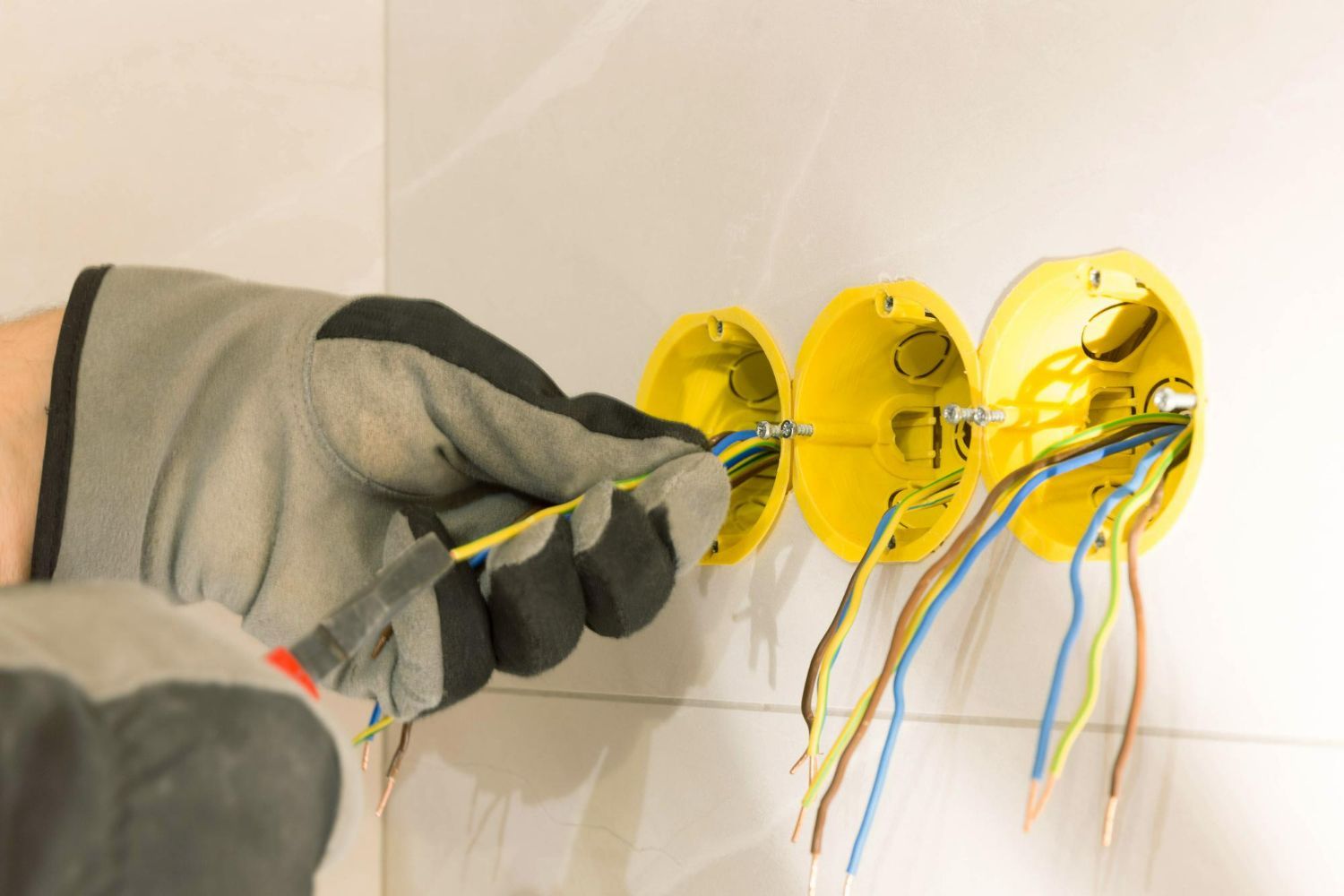
Upgrading your heating equipment often means taking a look at the rest of your home infrastructure. Older electrical panels might need attention to handle the electrical load of a high efficiency system. We frequently recommend checking your electrical wiring or considering a full electrical system setup upgrade if you are moving from gas to electric heating solutions. Ensuring your panel can handle the load is just as important as picking the right heater.
Frequently Asked Questions
Can I just turn up the temperature on my water heater?
You can increase the thermostat setting slightly during colder months to help offset the drop in groundwater temperature. Keep in mind that setting it too high creates a scalding hazard, especially in homes with young children. A setting around 120 degrees Fahrenheit is standard for safety and efficiency.
How long should a traditional tank take to recover?
Recovery times vary based on the fuel source and the size of the tank. Electric tanks typically take longer to recover than gas models. If your tank takes several hours to provide a hot shower after normal use, you might have a failing heating element that needs professional replacement.
Does insulating my pipes help?
Insulating the exposed hot water pipes in your basement or crawlspace is a very practical step. It reduces heat loss as the water travels from the unit to your faucet. This small fix can make a noticeable difference in how quickly hot water reaches the tap during the colder months.
Making the Right Call for Your Home
Understanding how cold inlet water affects your equipment is the first step to staying comfortable. You can evaluate your daily usage and decide if a storage tank or a tankless unit fits your actual household needs. Reach out to our local team today to get an honest assessment of your current plumbing and electrical setup.
Share This Blog